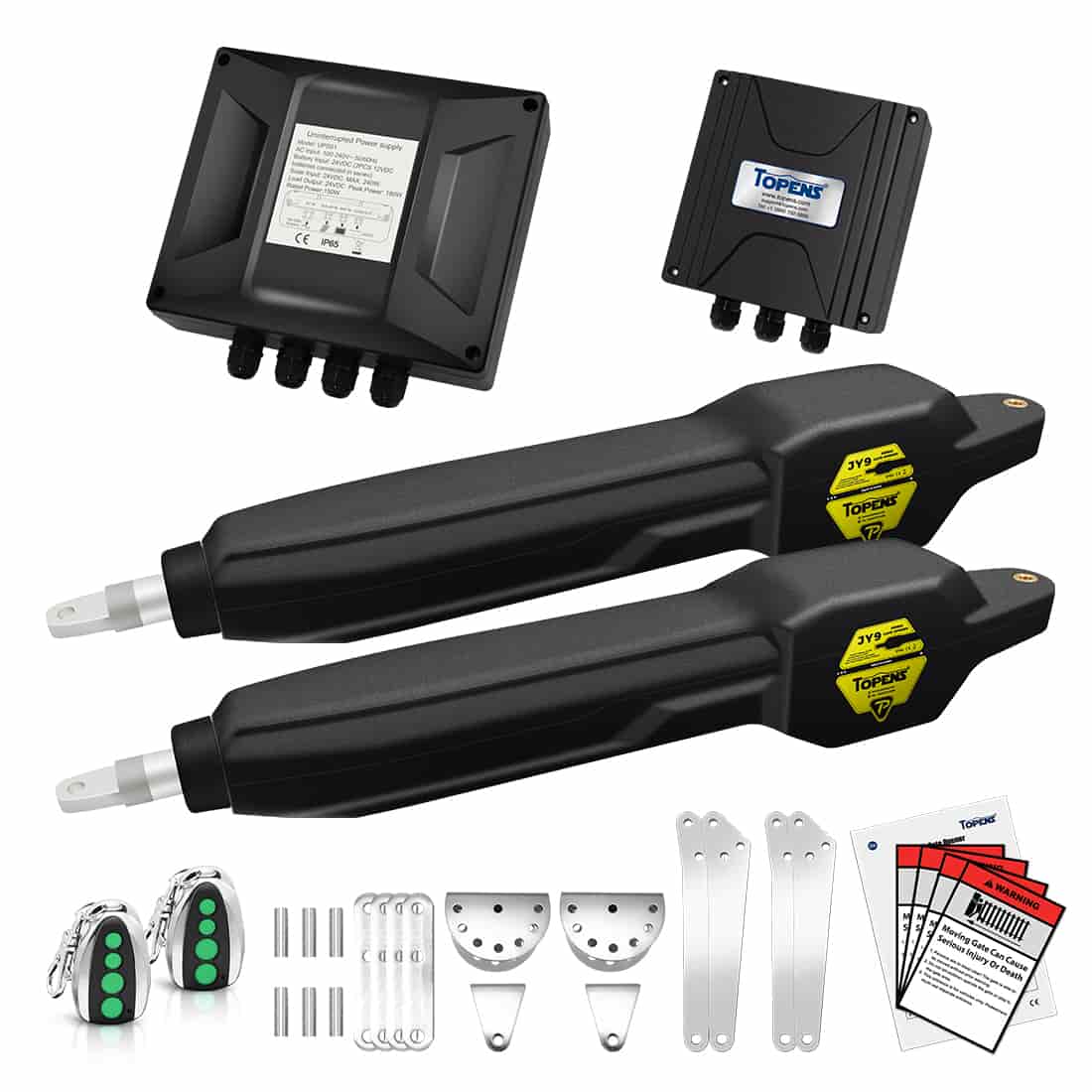
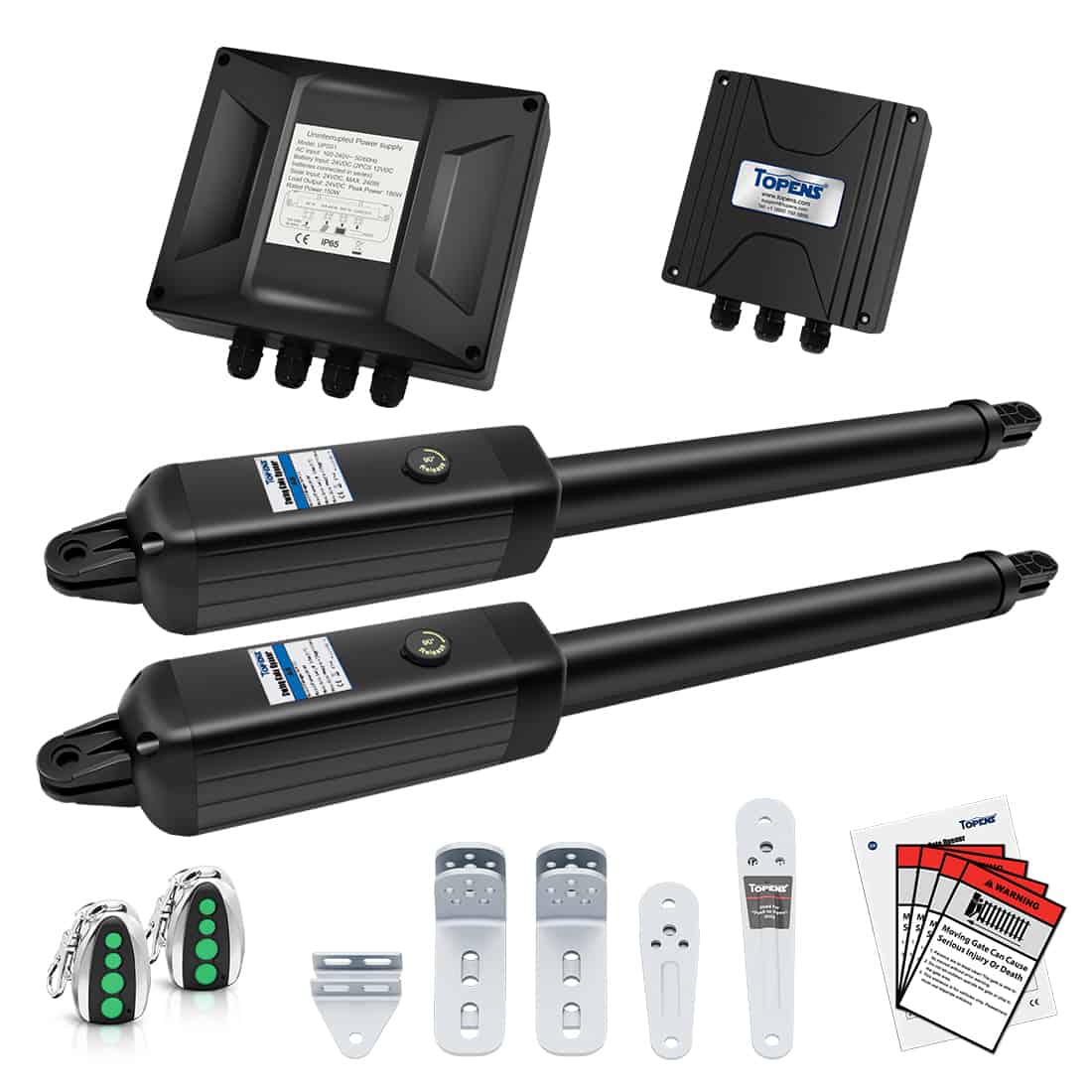
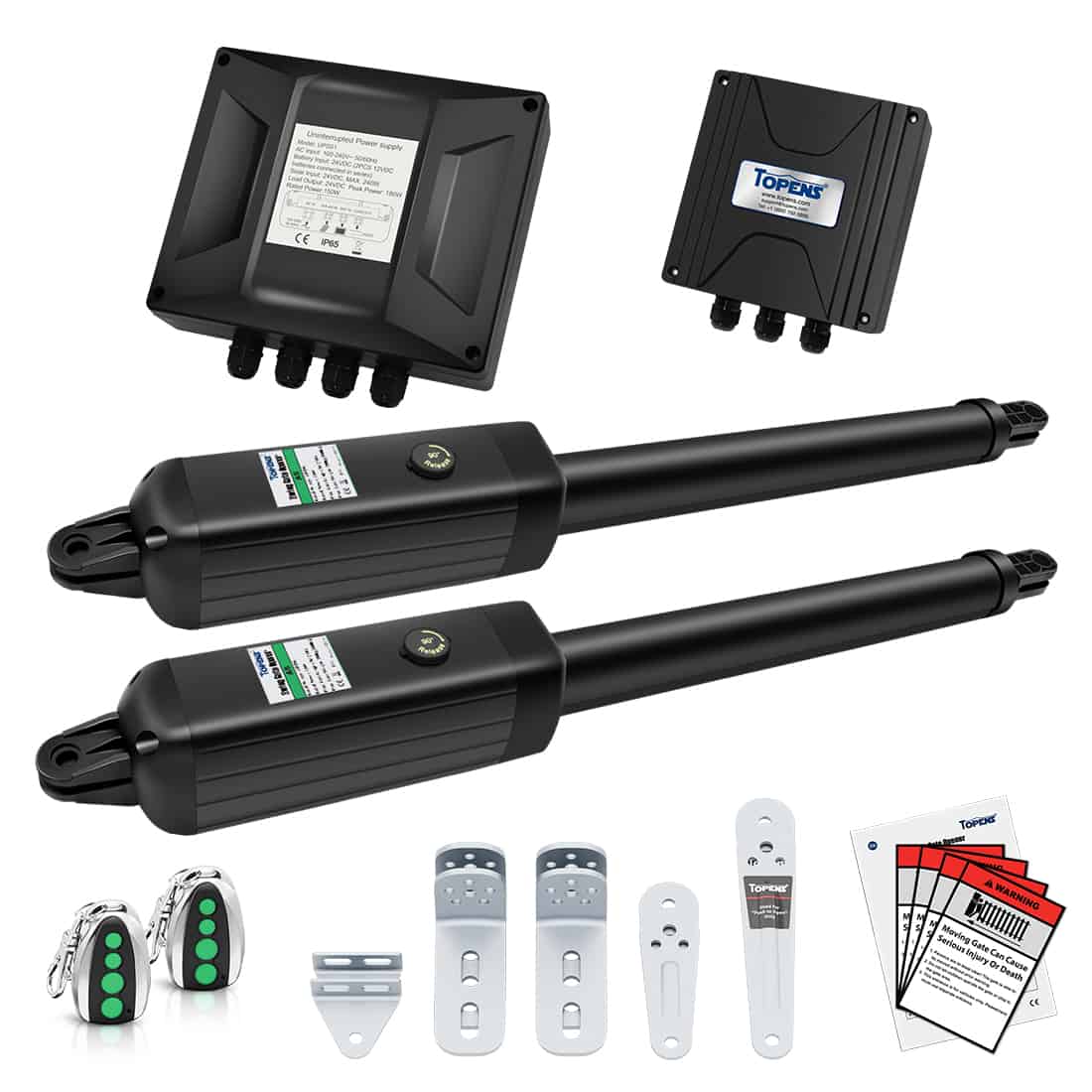
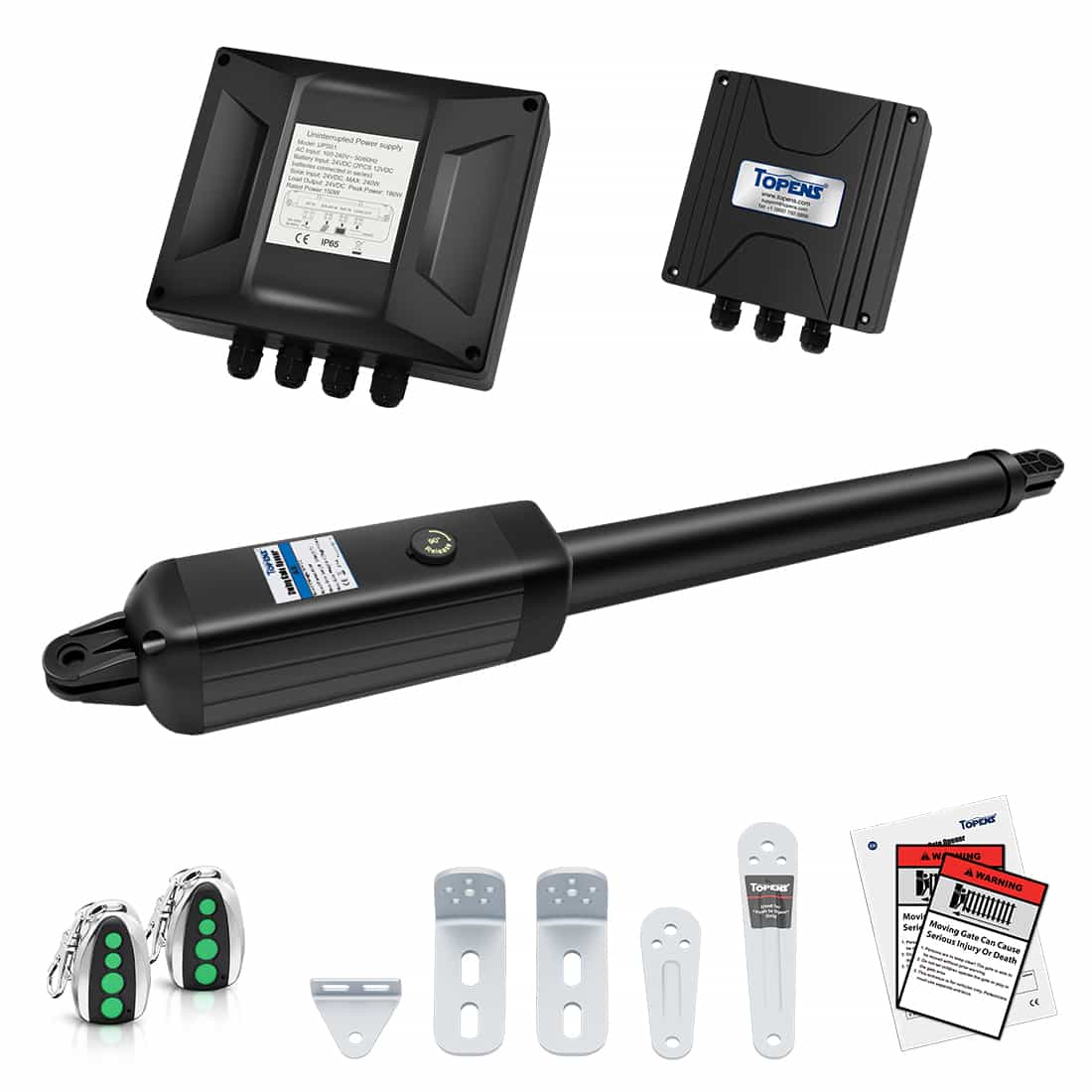
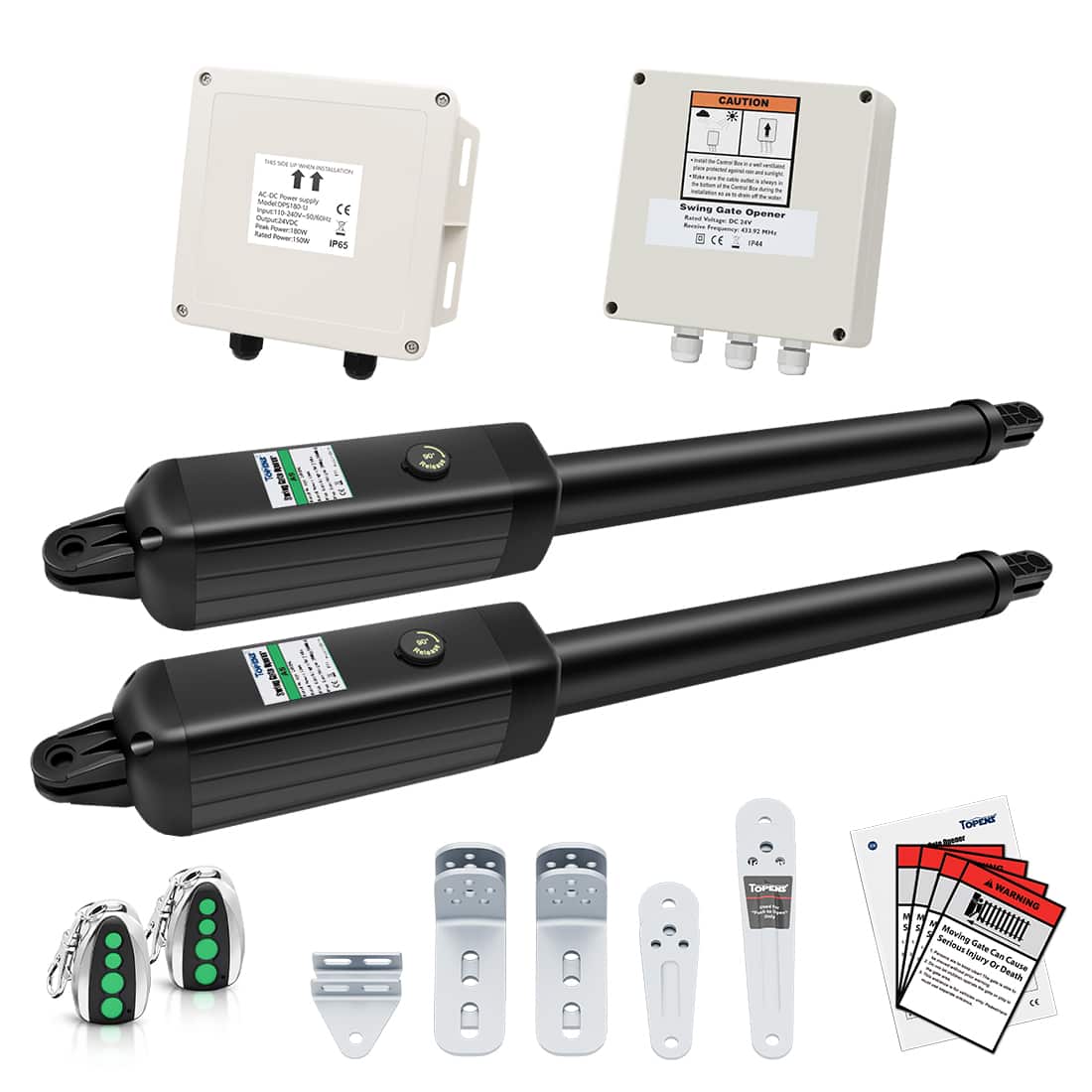
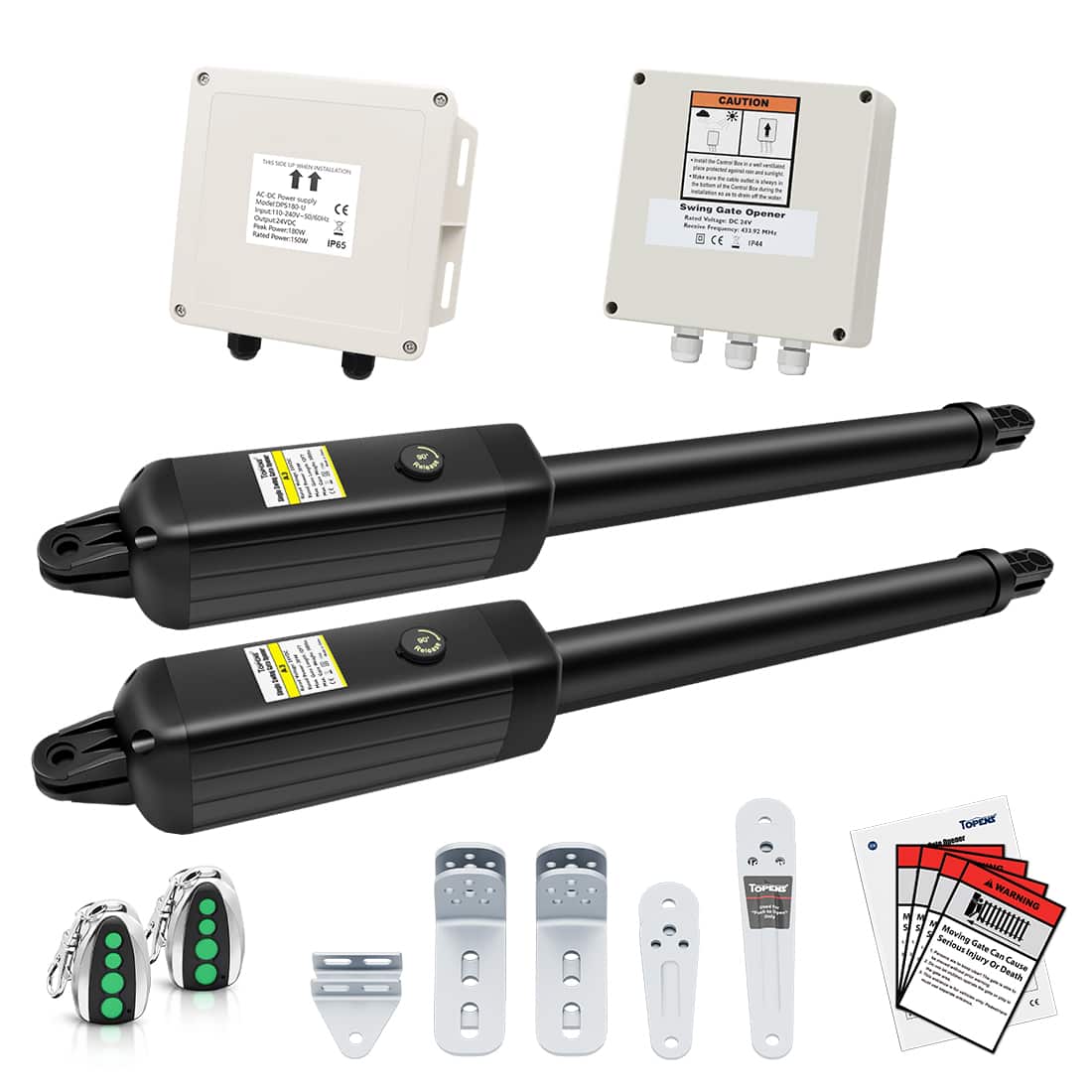
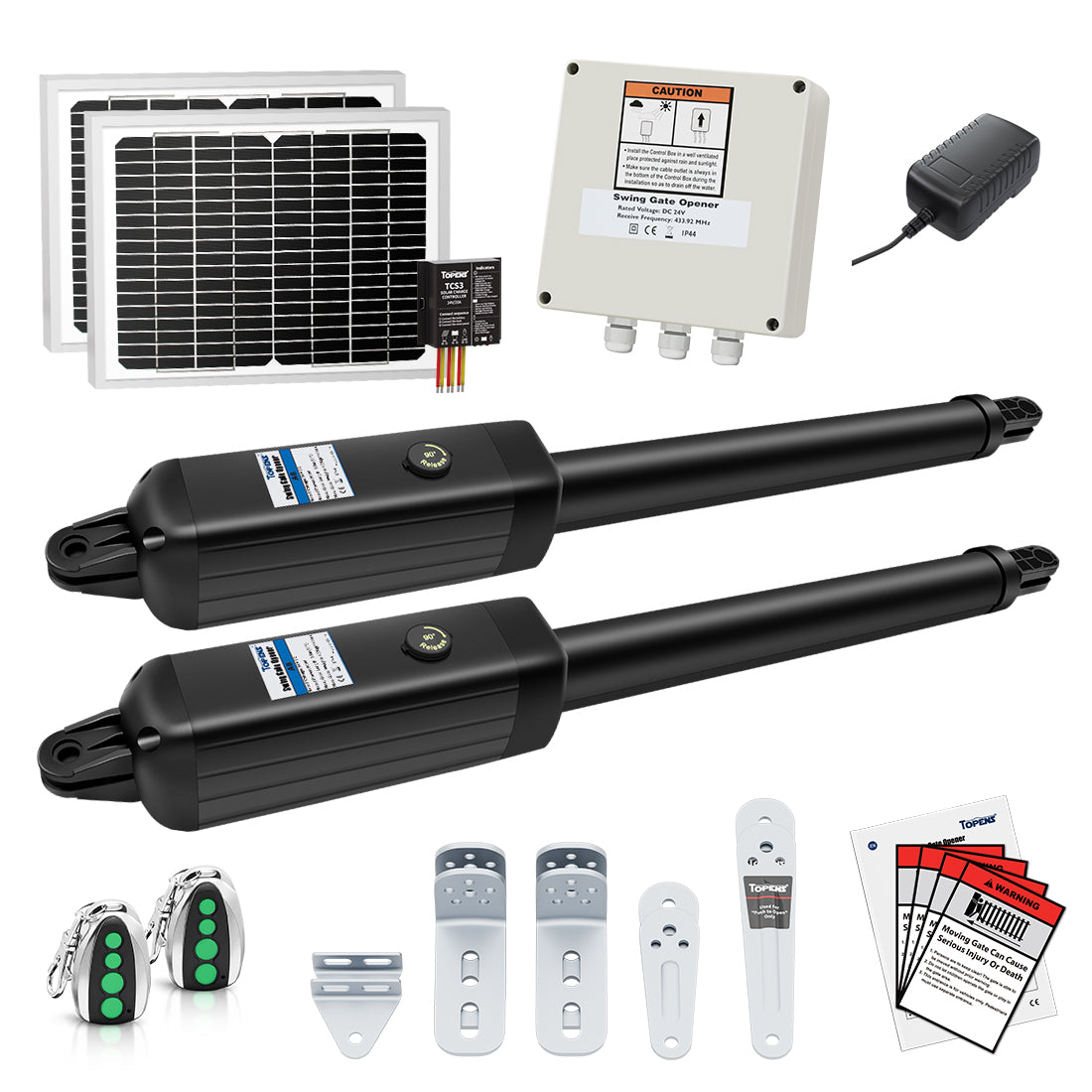
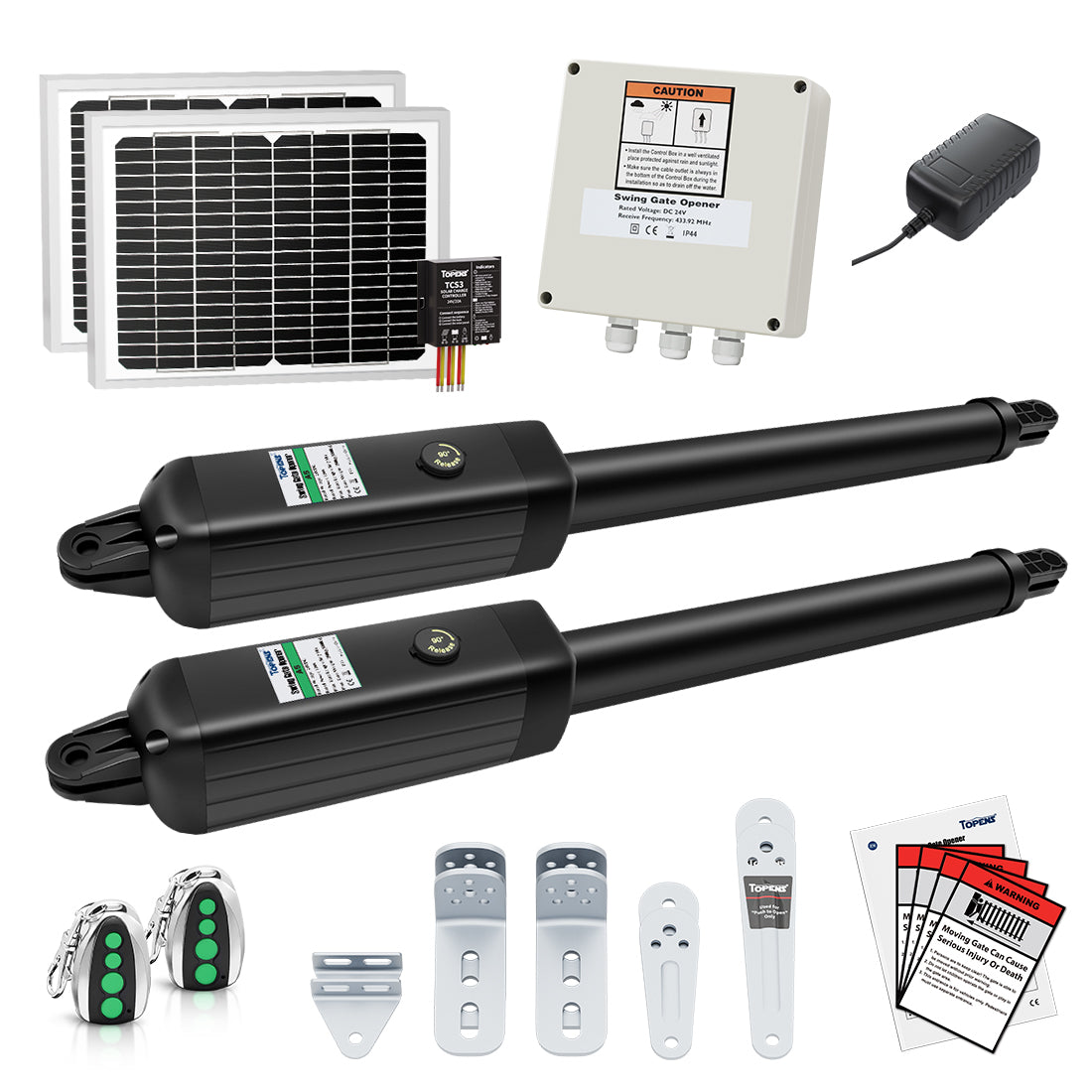
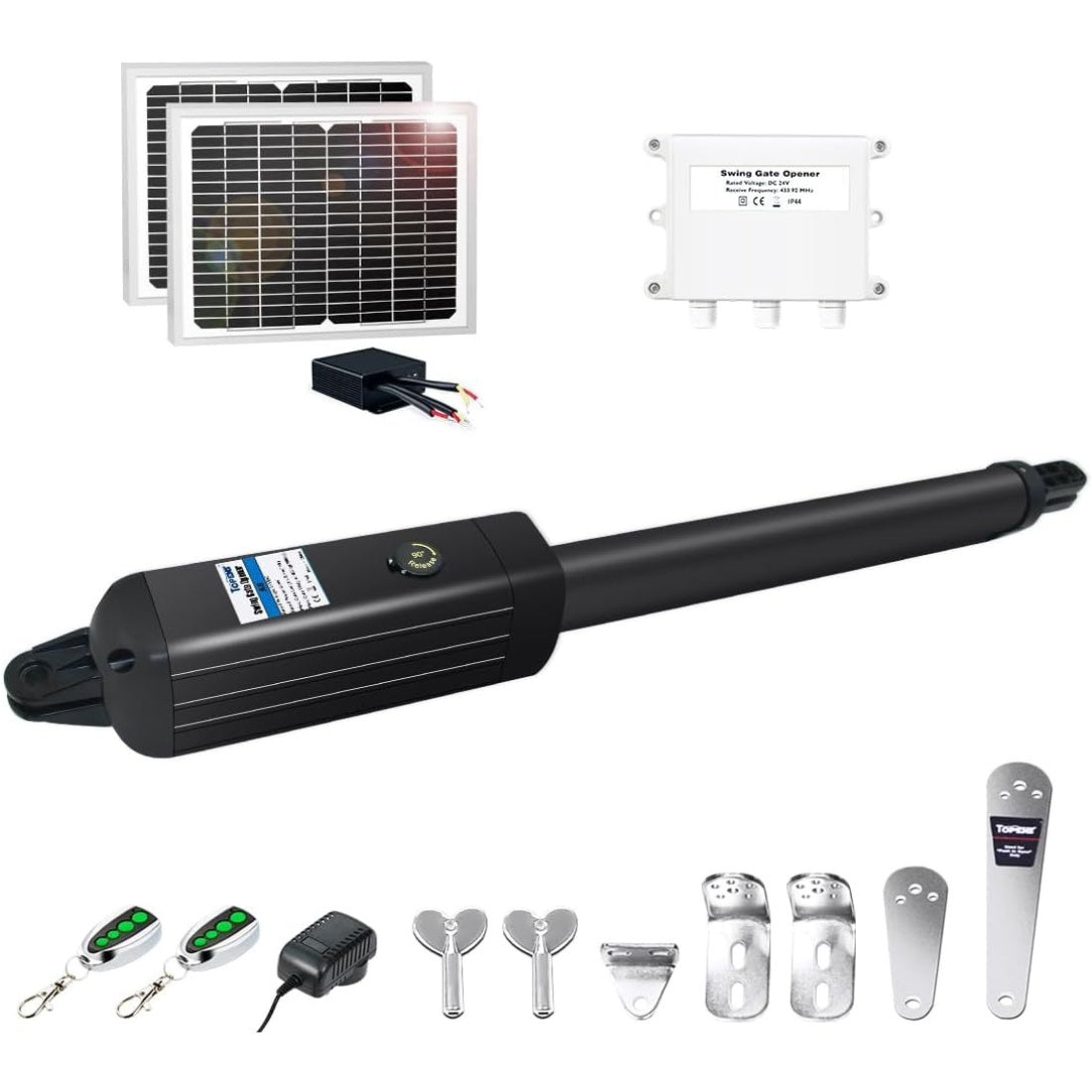
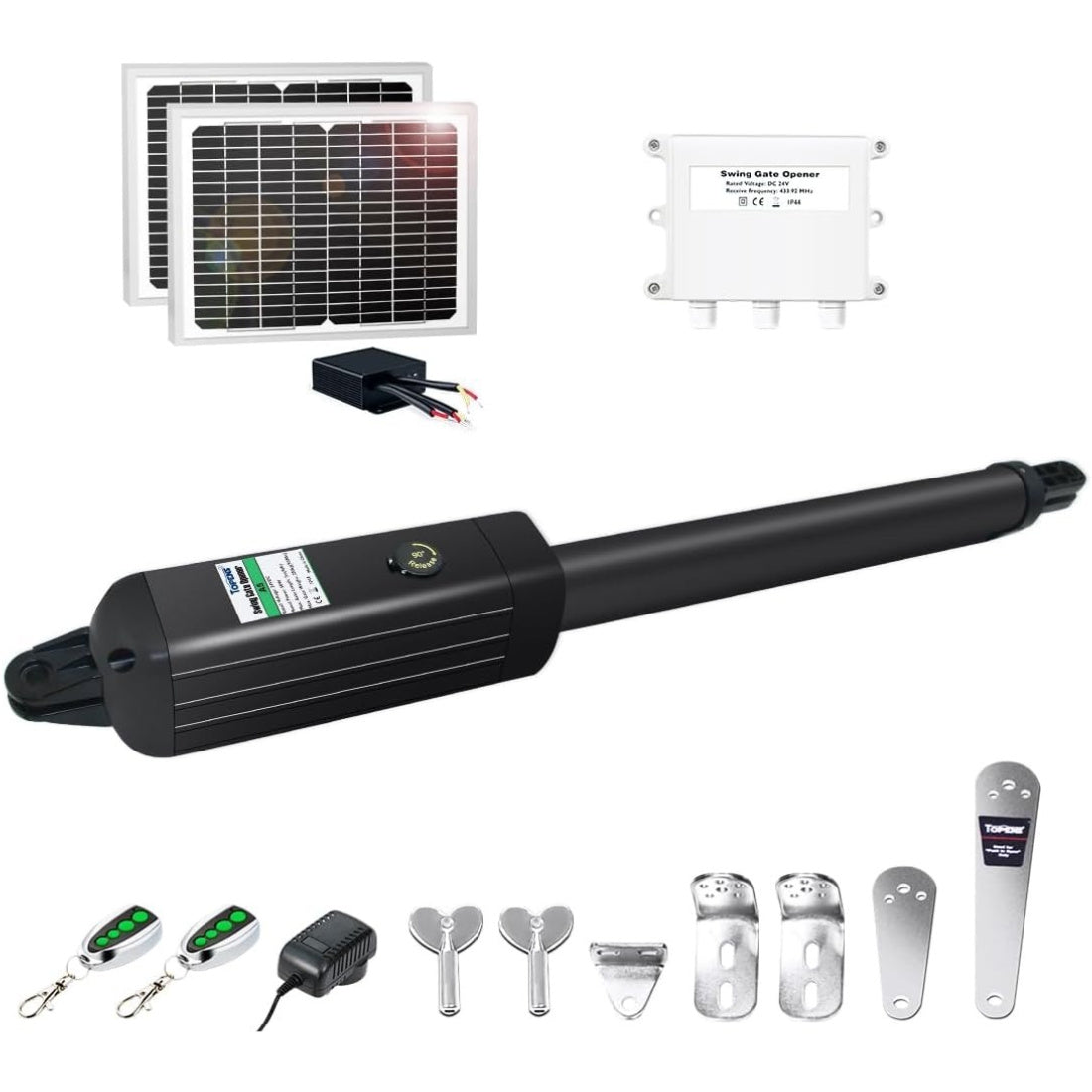
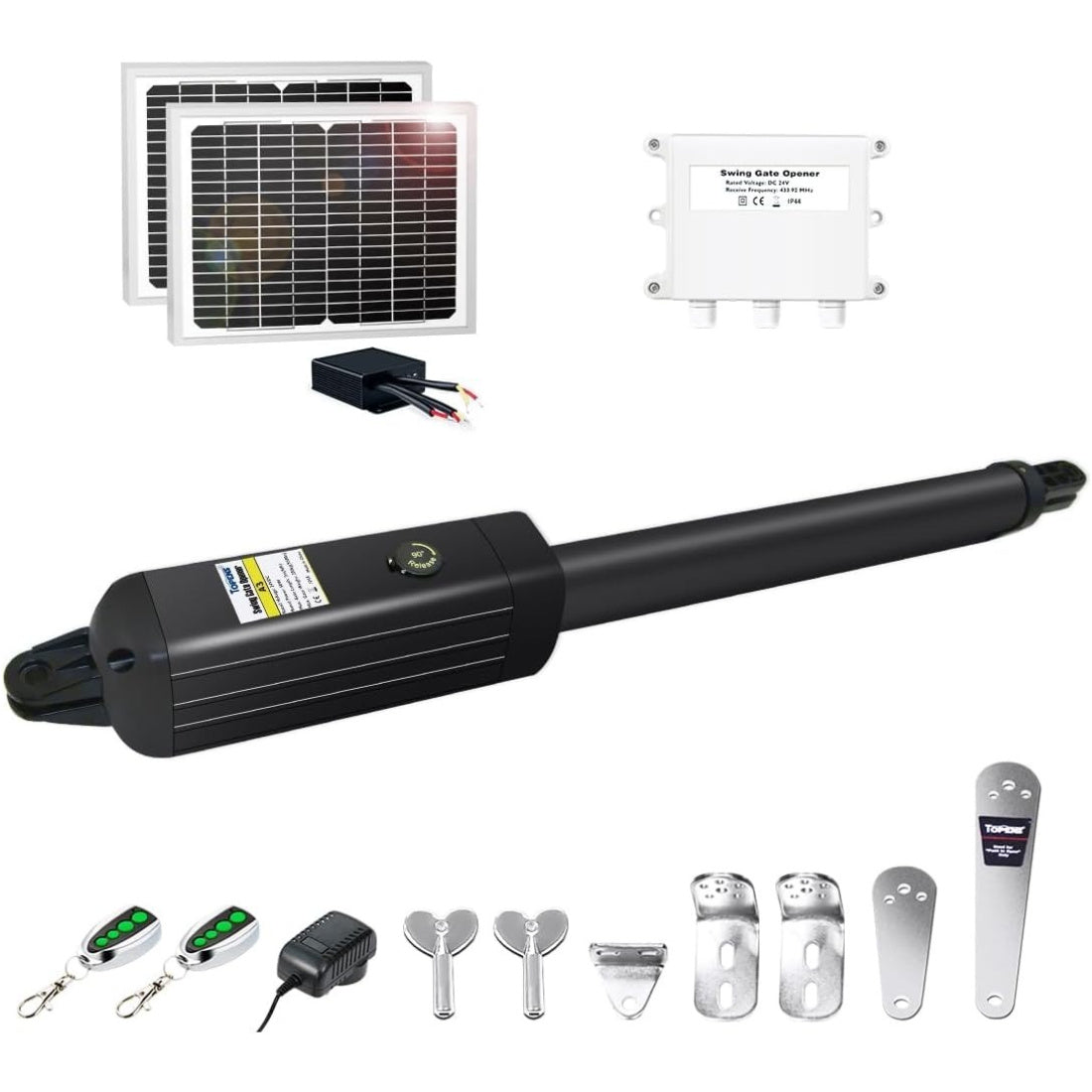
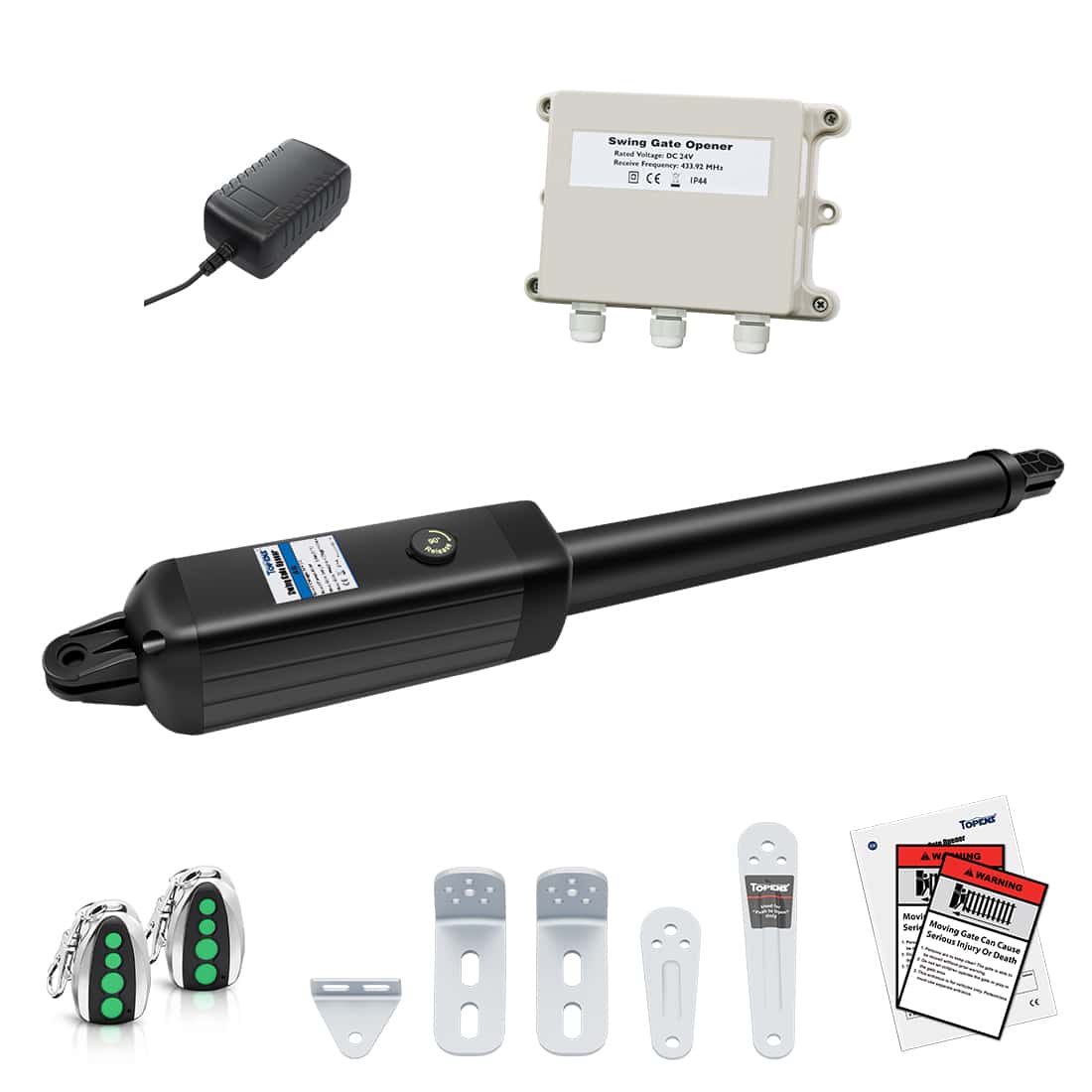
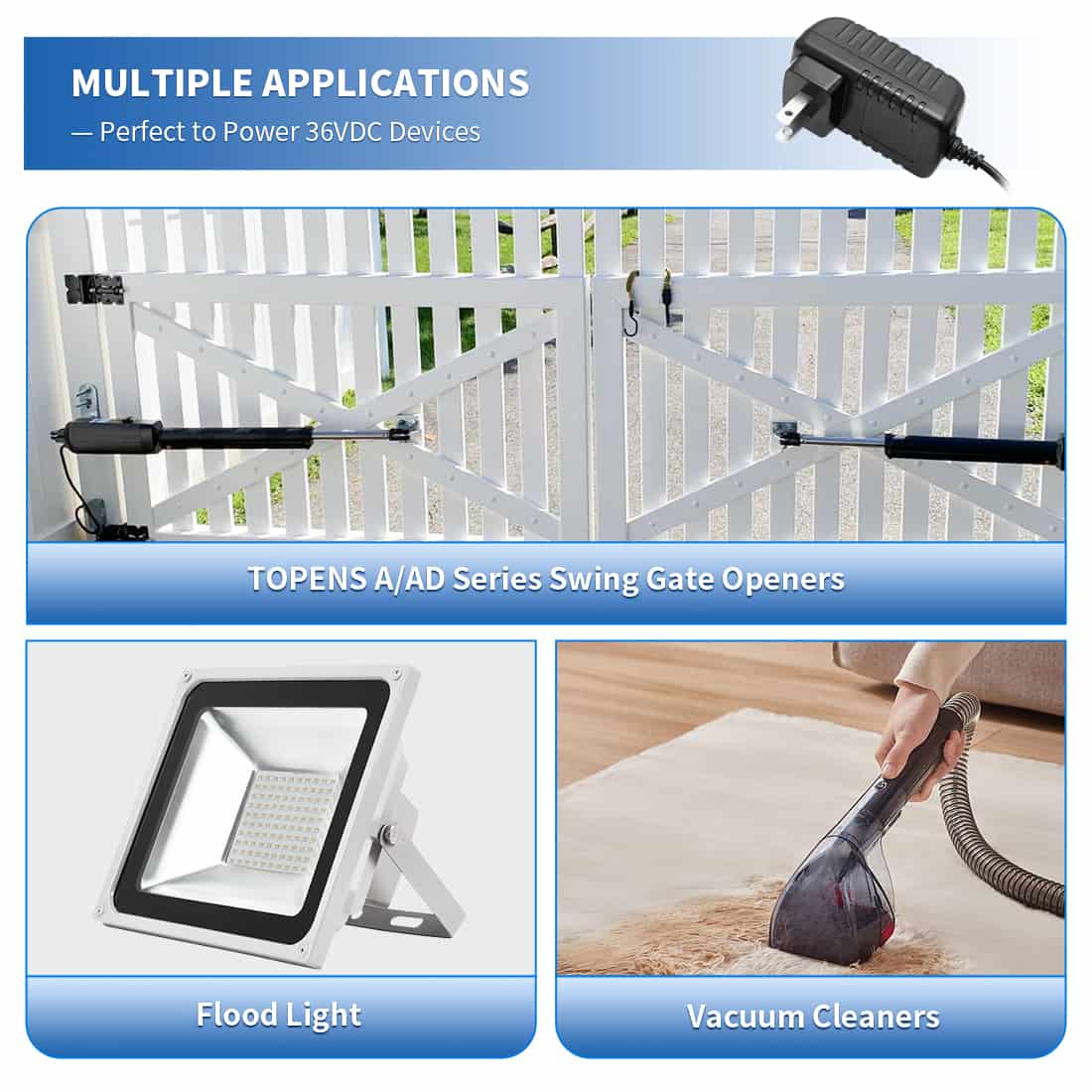
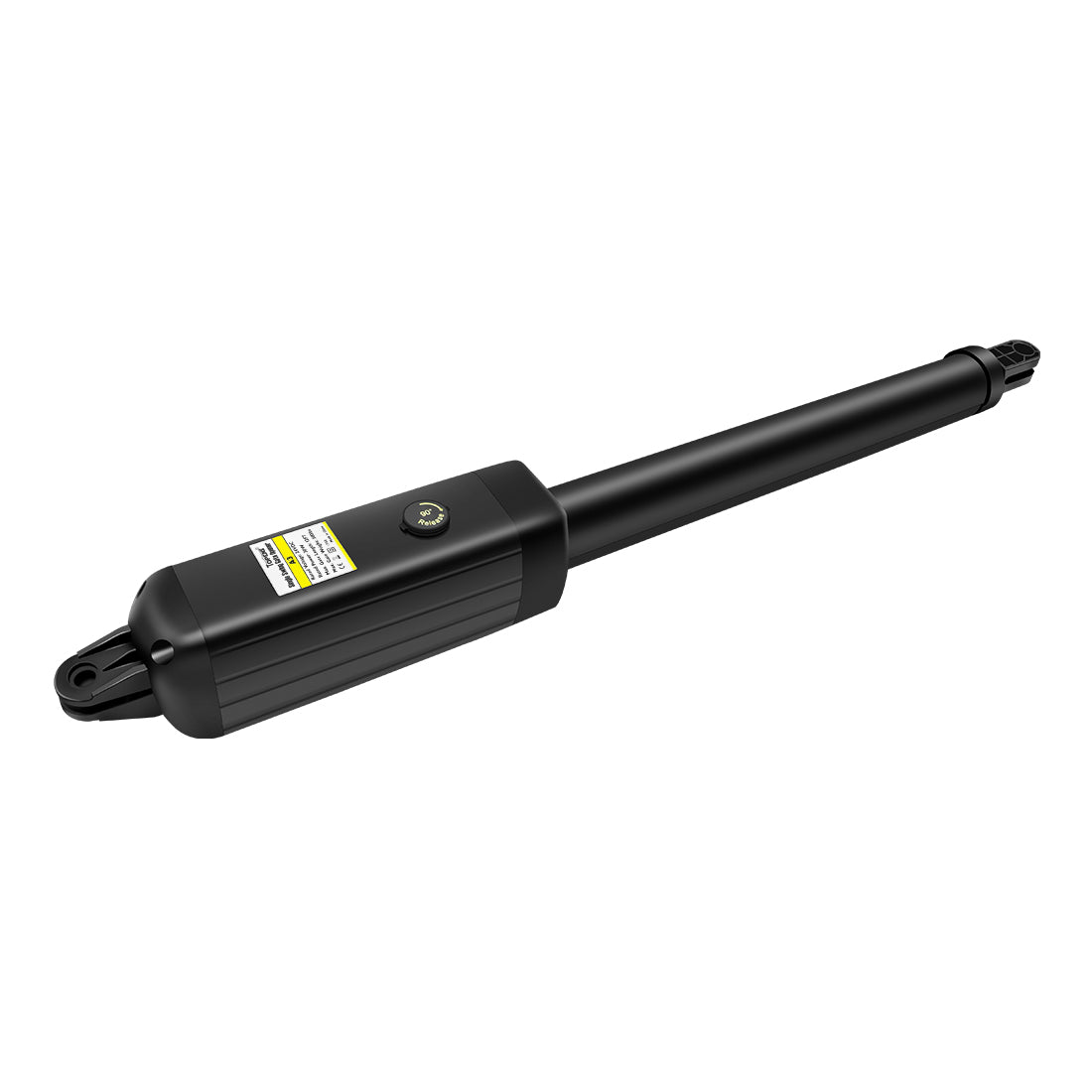
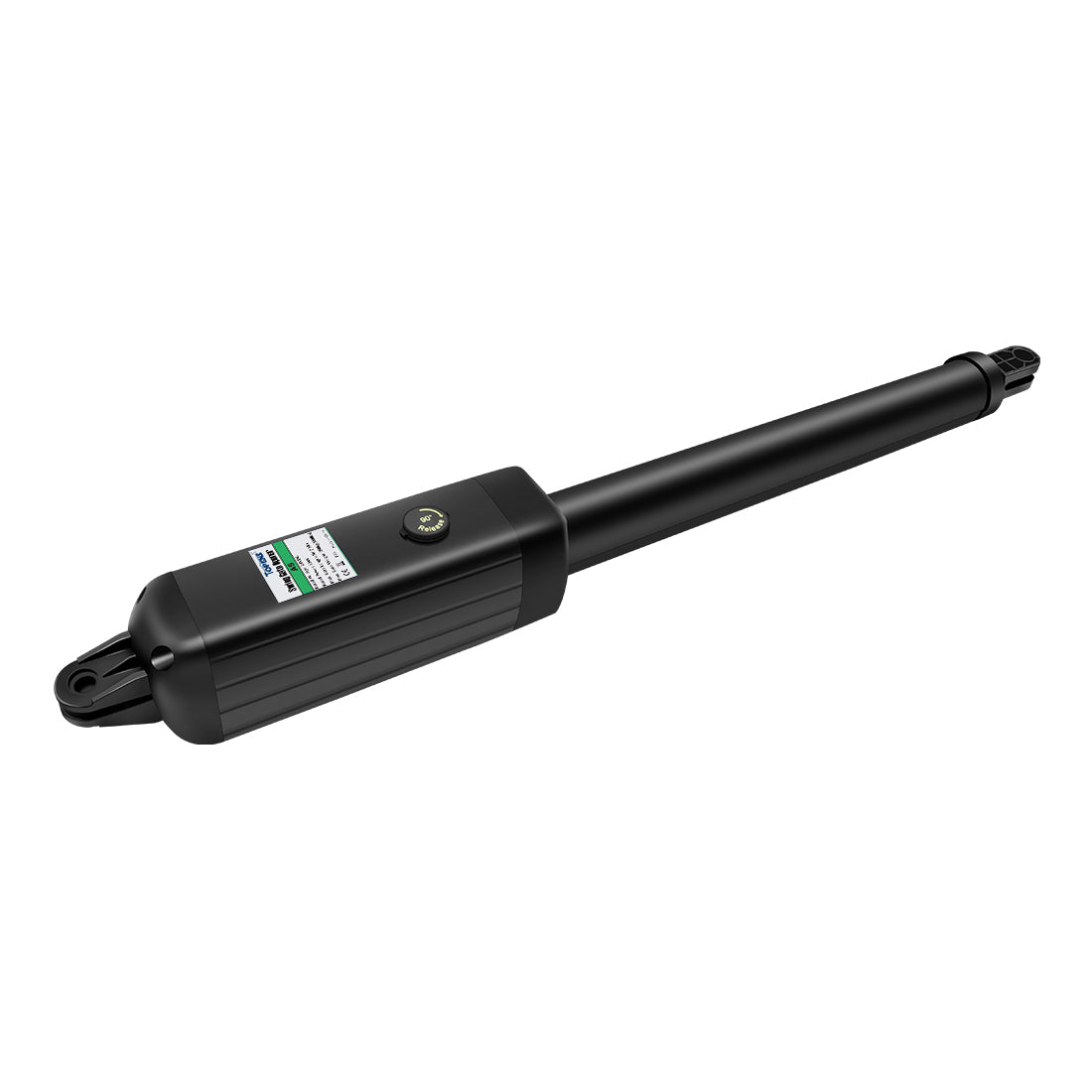
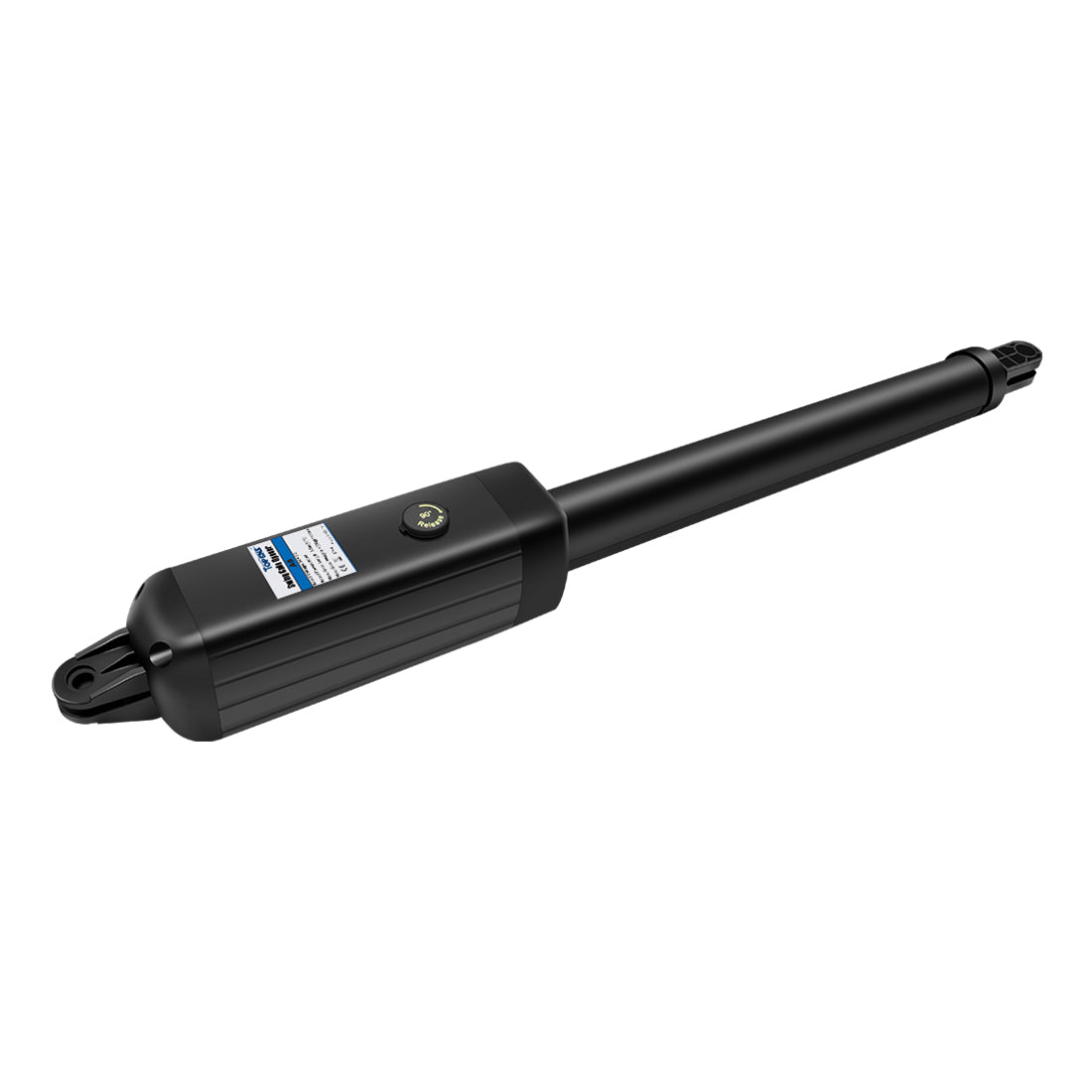
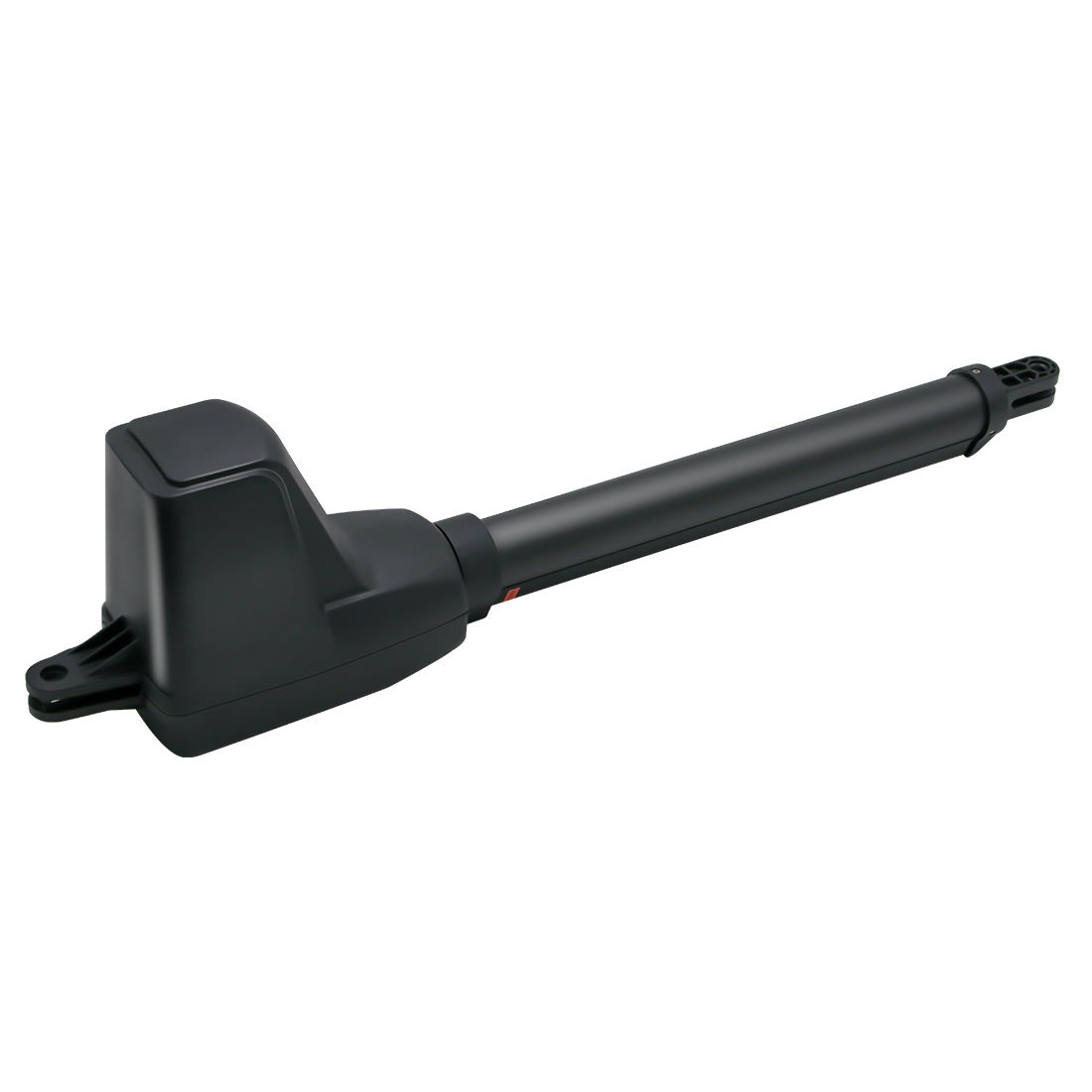
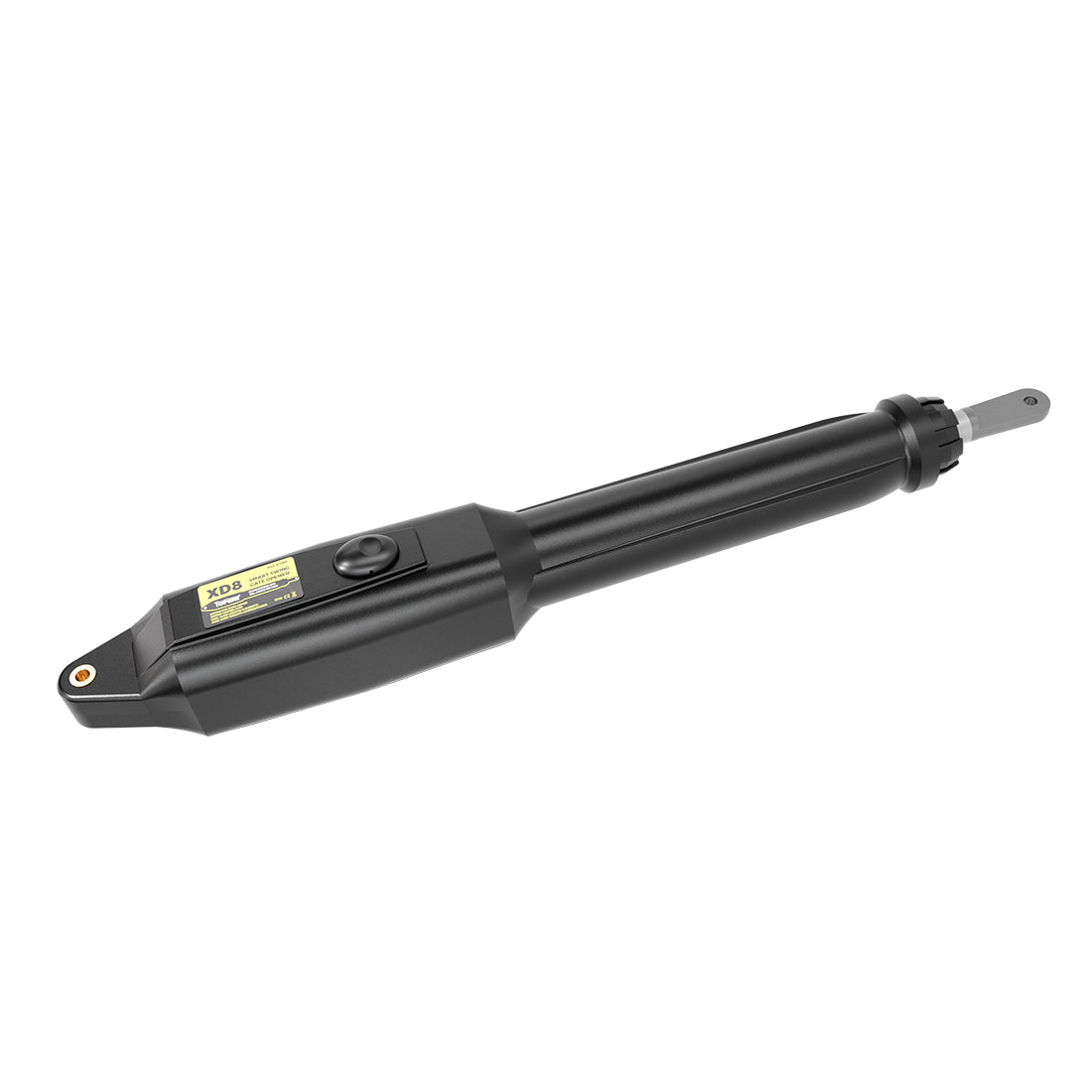
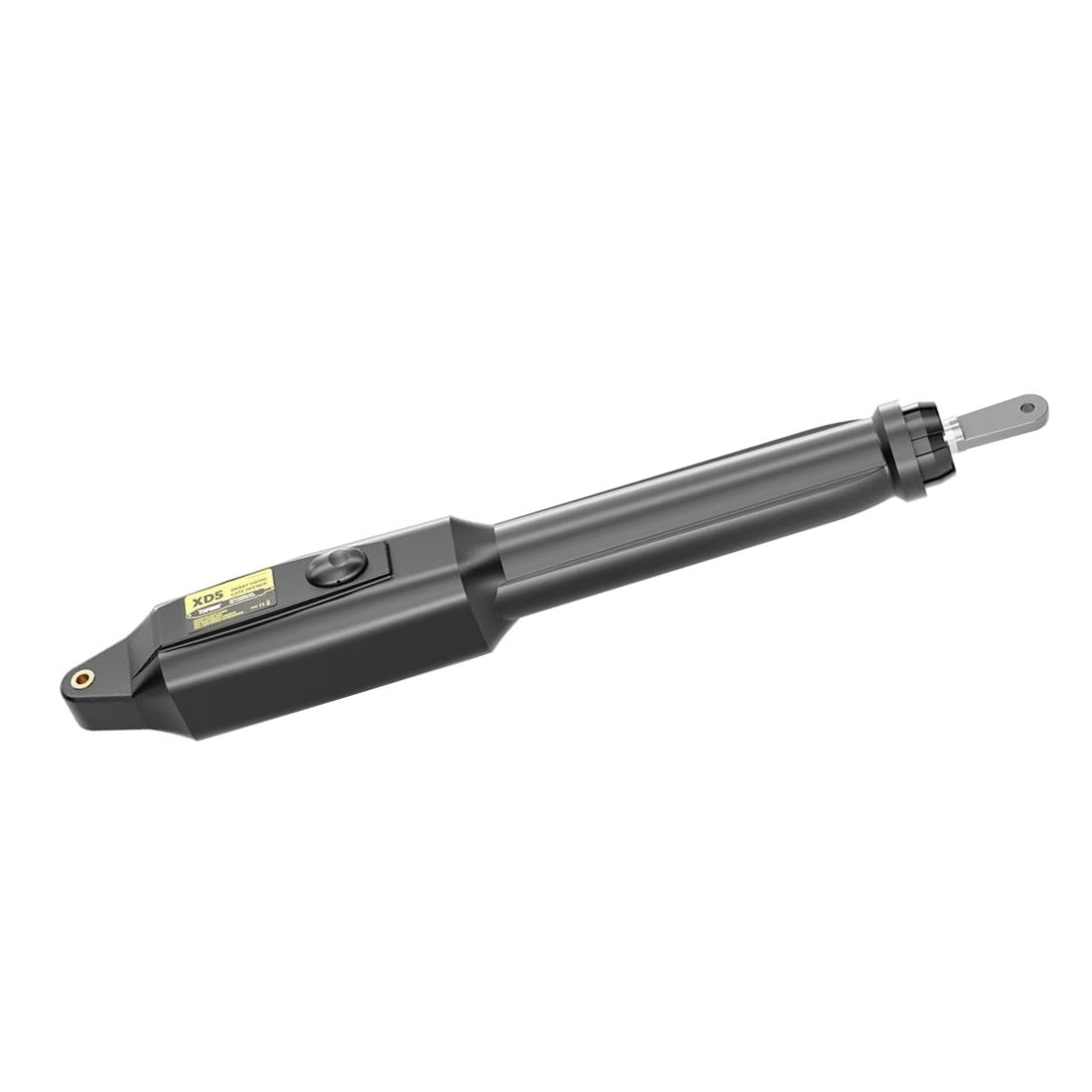
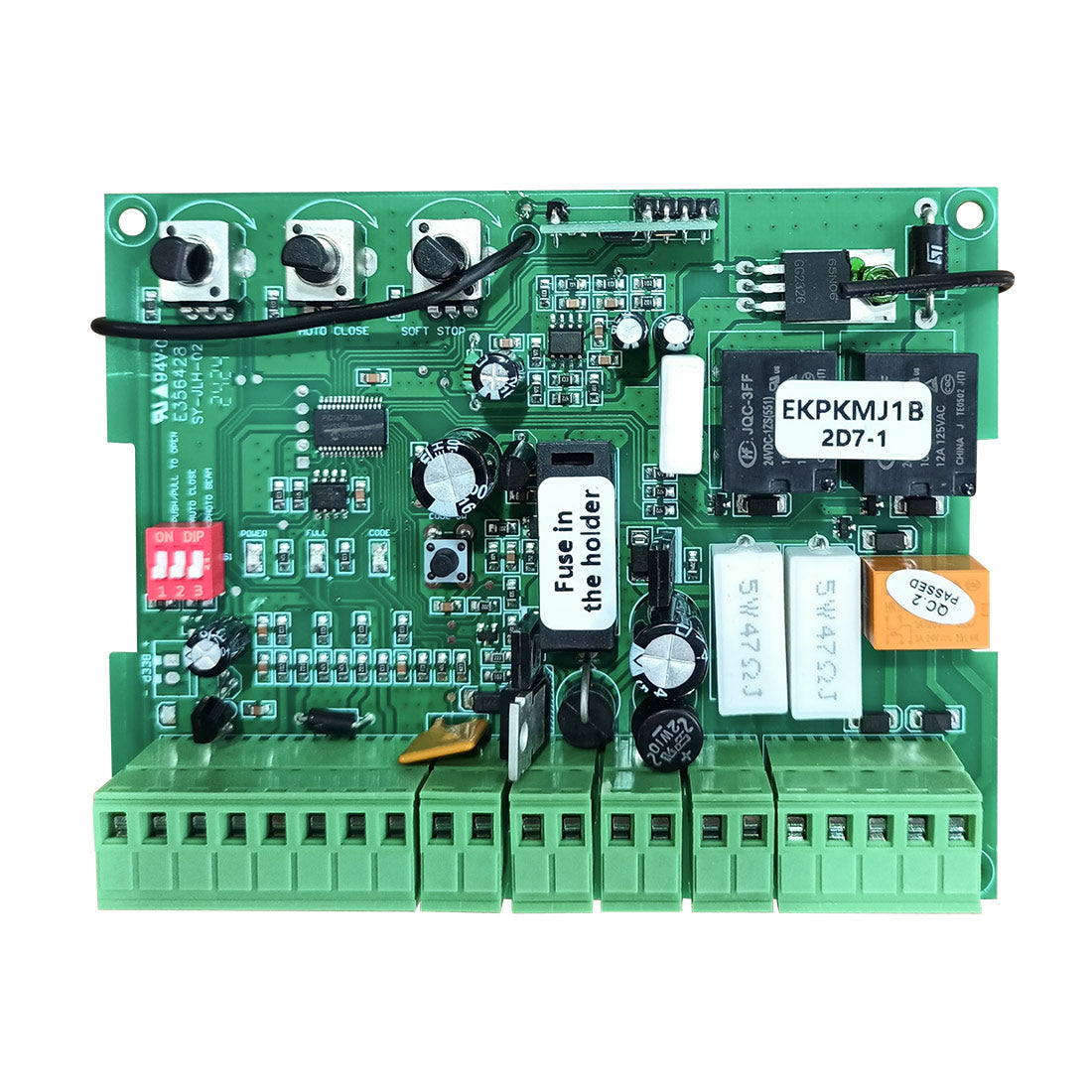
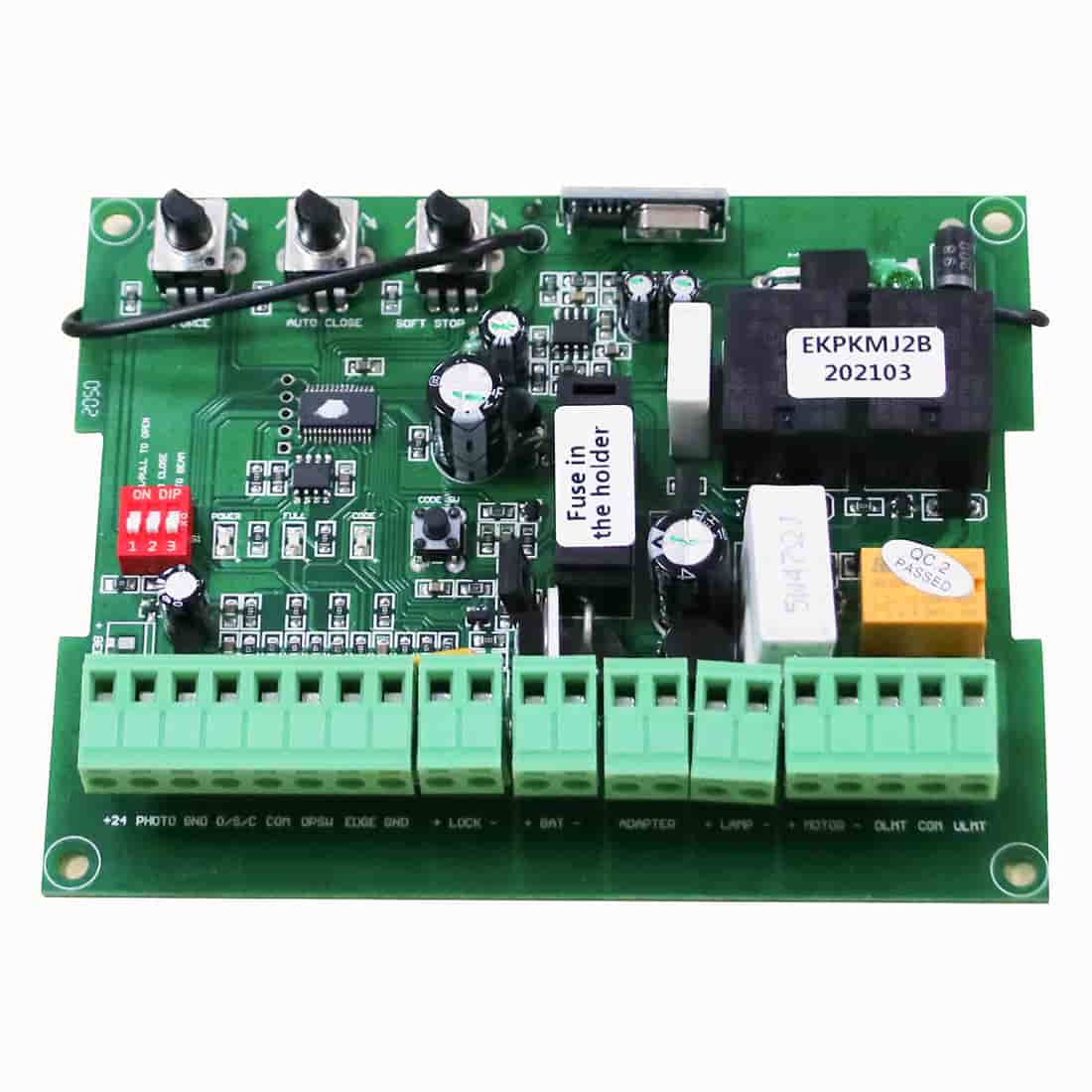
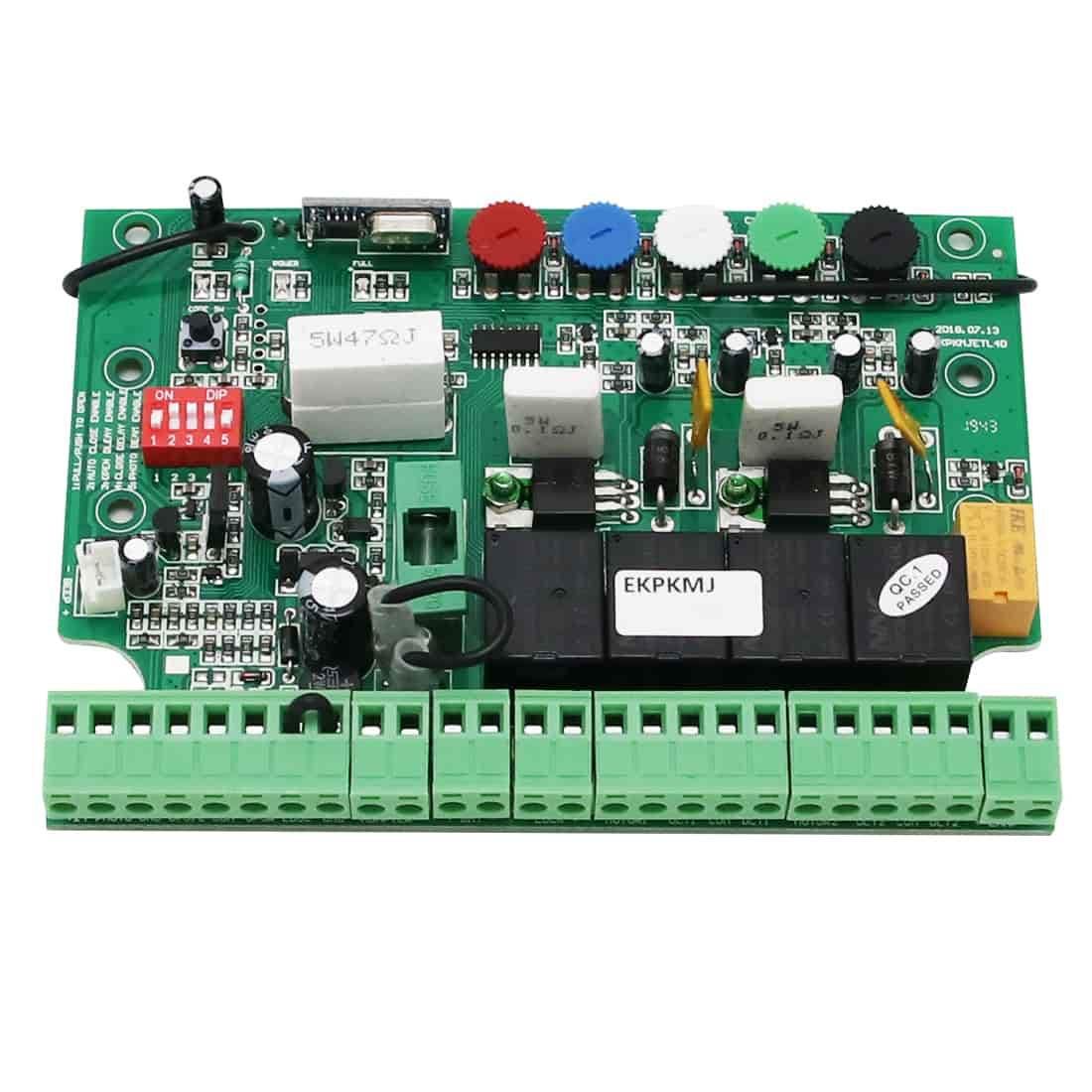
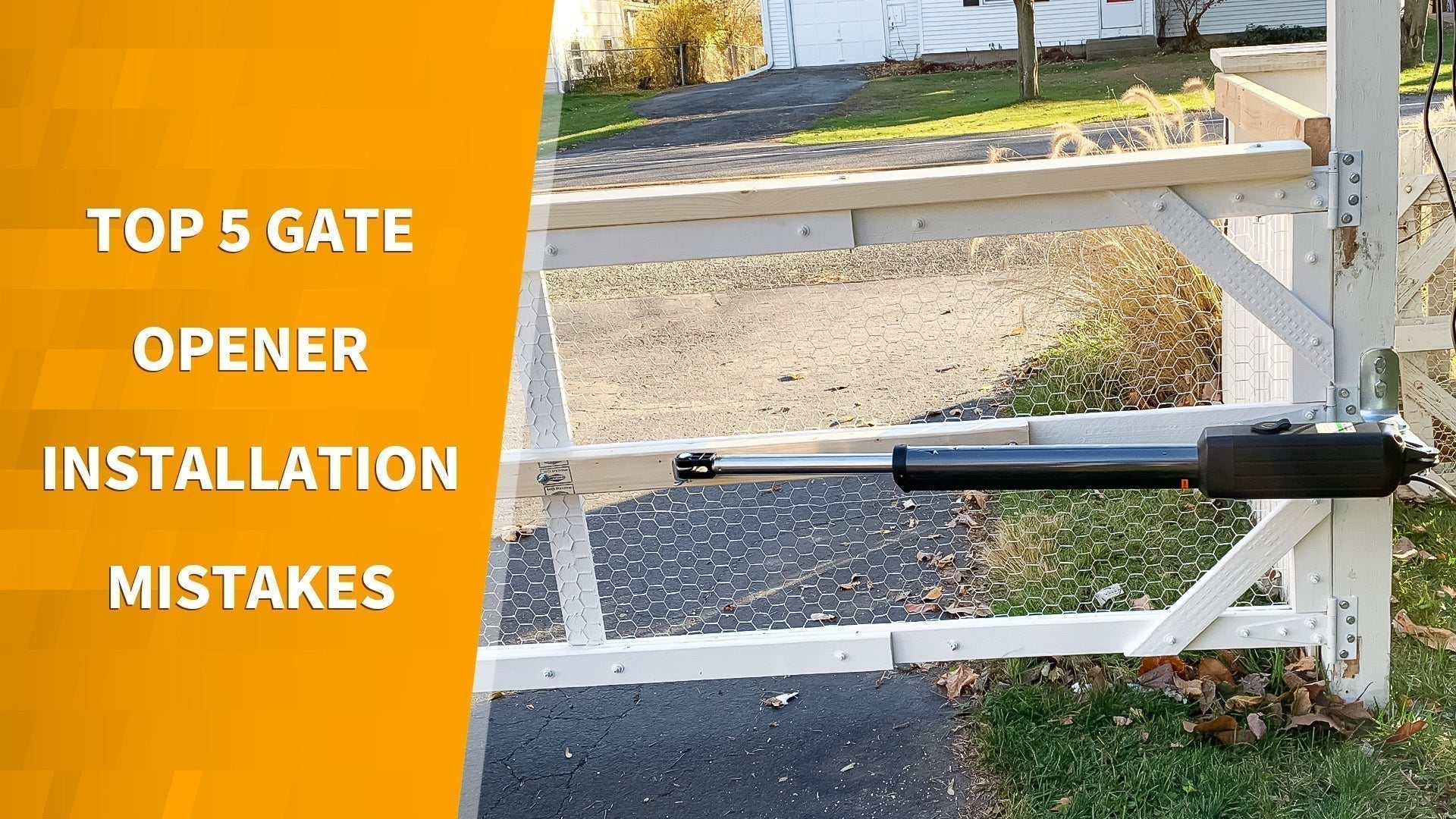
Wind can significantly affect the performance of swing gate openers — especially solid panel gates or gates installed in open, exposed areas.
This guide explains the most common wind-related symptoms and provides clear steps to diagnose and resolve them.
1. Wind Adding Resistance During Gate Movement
When wind pushes against the gate, the motor experiences extra load. The control board may detect this resistance as an obstruction, causing the gate to slow down, stop midway, or rebound unexpectedly.
If the gate stops or rebounds abnormally:
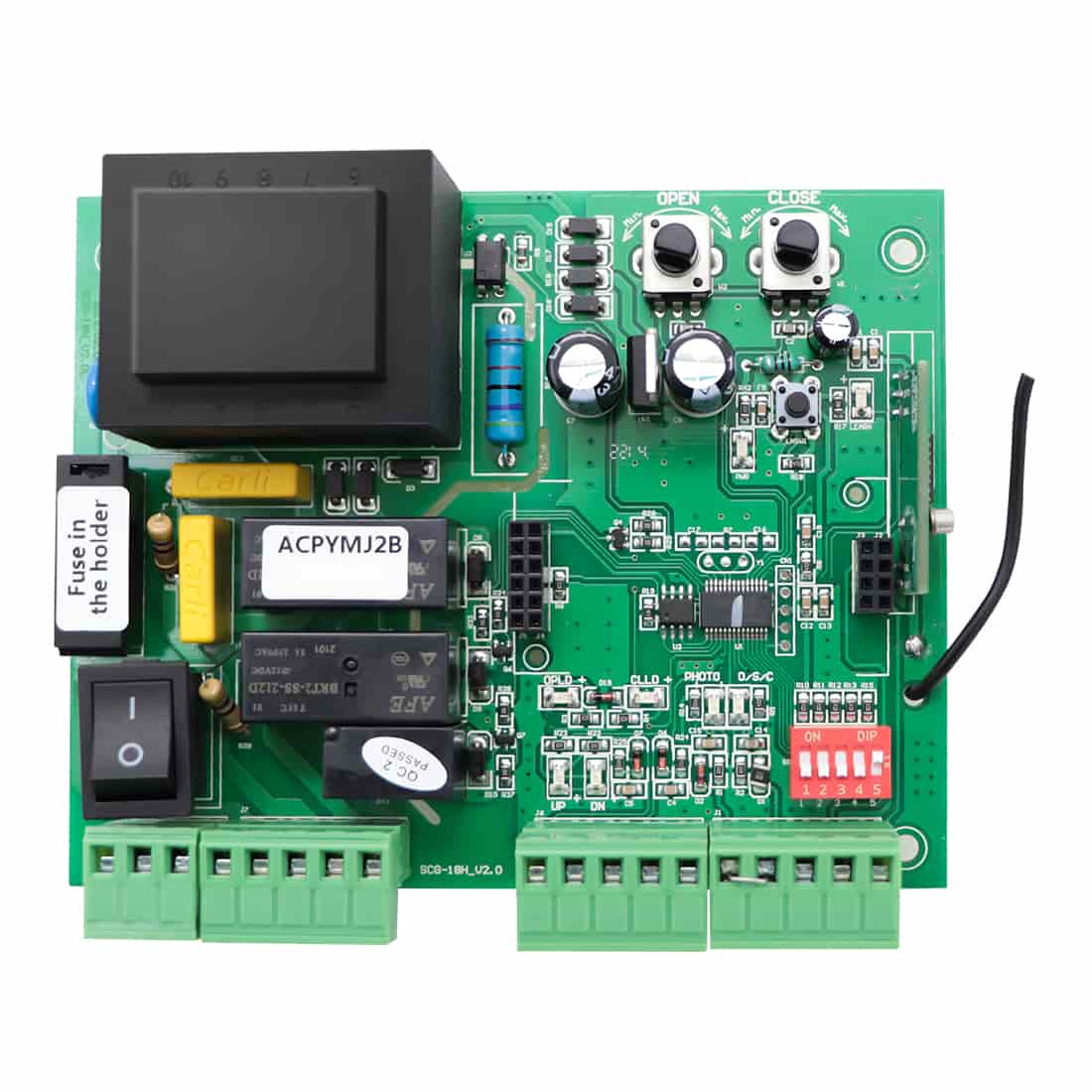
1) Increase the Open and Close Stall Force
The stall force determines how sensitively the system reacts to obstacles.
Increasing the stall force makes the gate opener less sensitive, allowing it to push through moderate wind resistance without triggering an unnecessary safety stop or reversal. Please refer to your opener’s user manual for detailed adjustment instructions.
2) Reduce the Soft Stop Period of the Motor
The soft stop function slows down the gate during the final phase before it fully stops. Shortening this period helps the motor maintain sufficient torque to overcome wind resistance at the end of travel. Please refer to your opener’s user manual for detailed adjustment instructions.

3) Consider Upgrading to a More Powerful Opener
- Large, heavy, or solid-panel gates may require a more powerful opener if adjustments are insufficient.
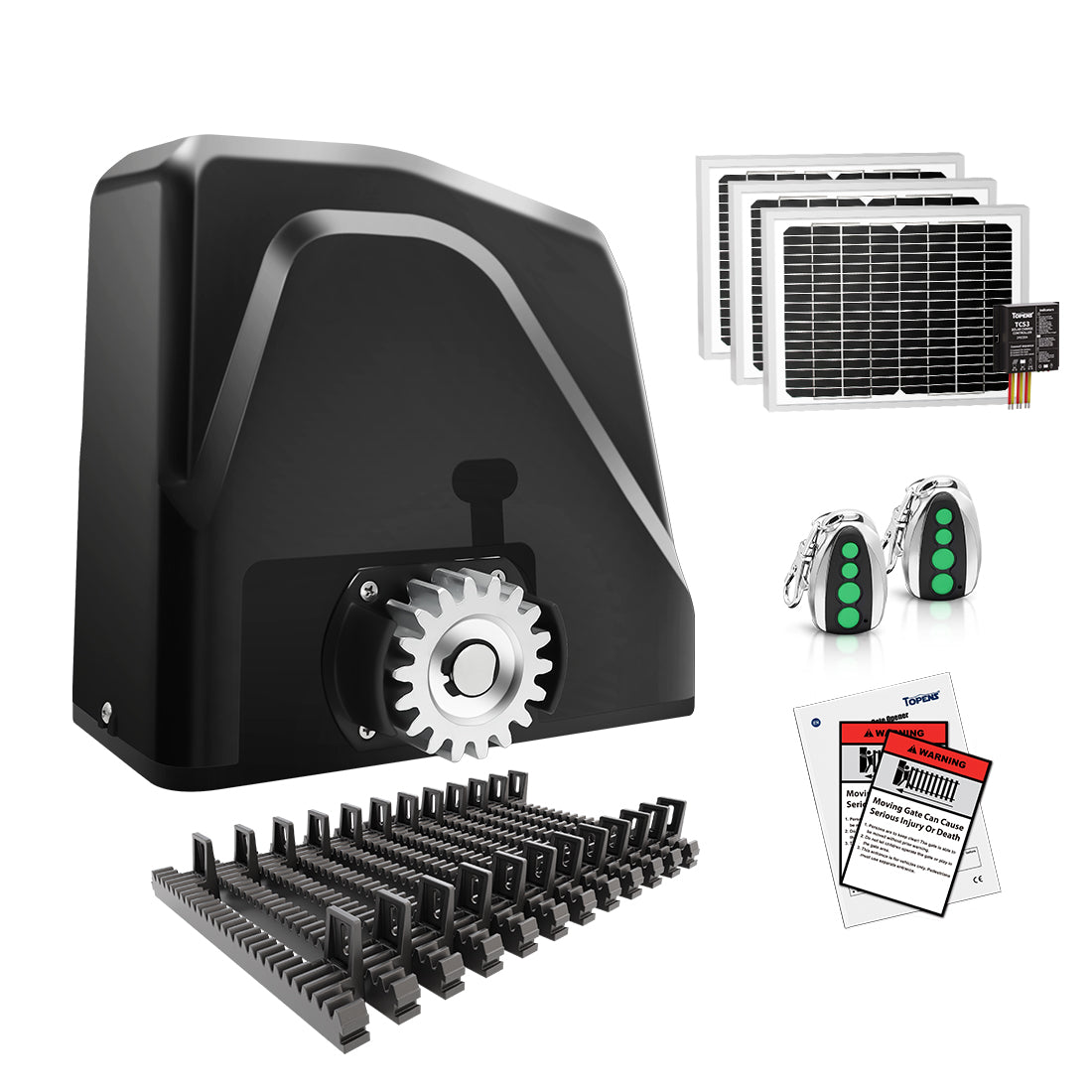
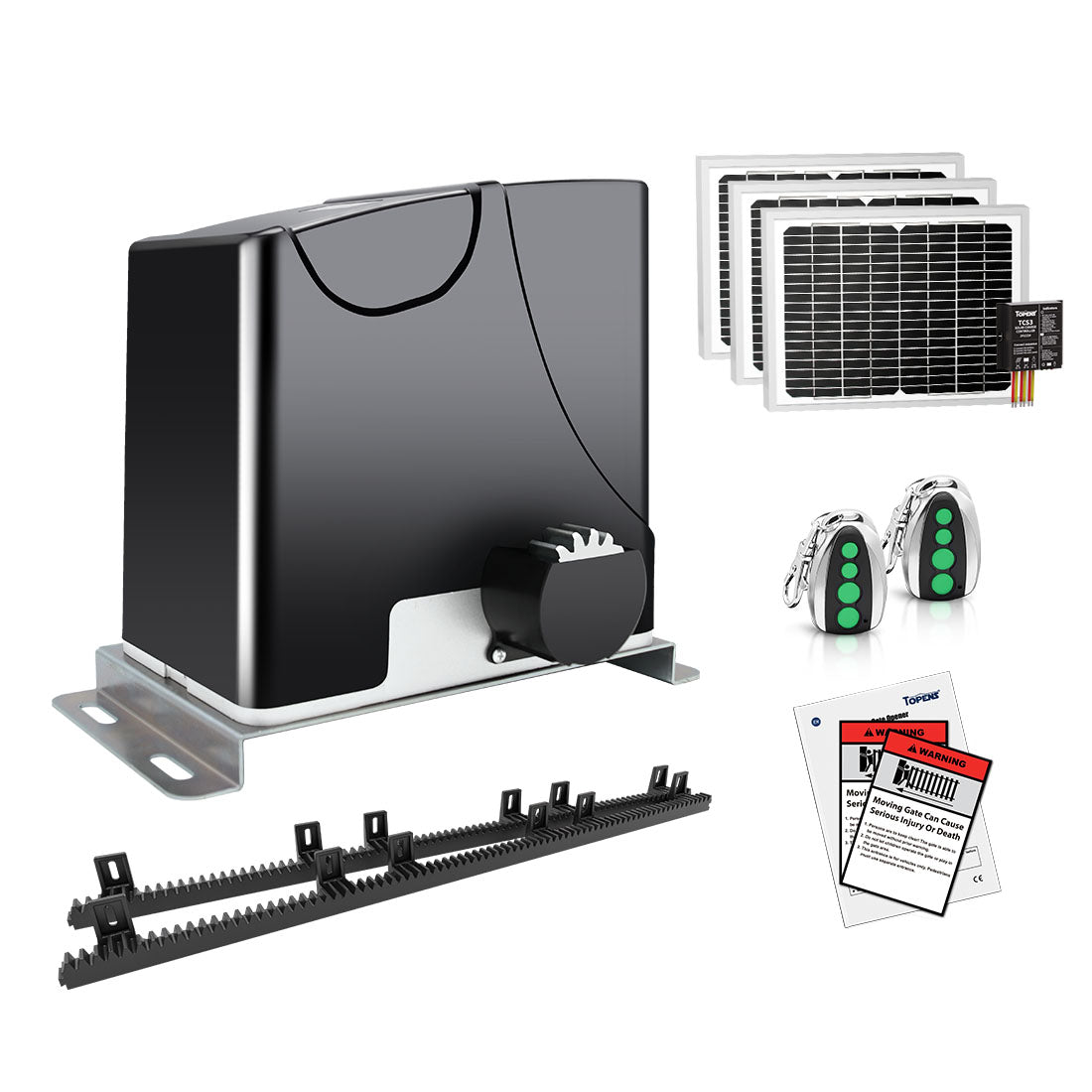
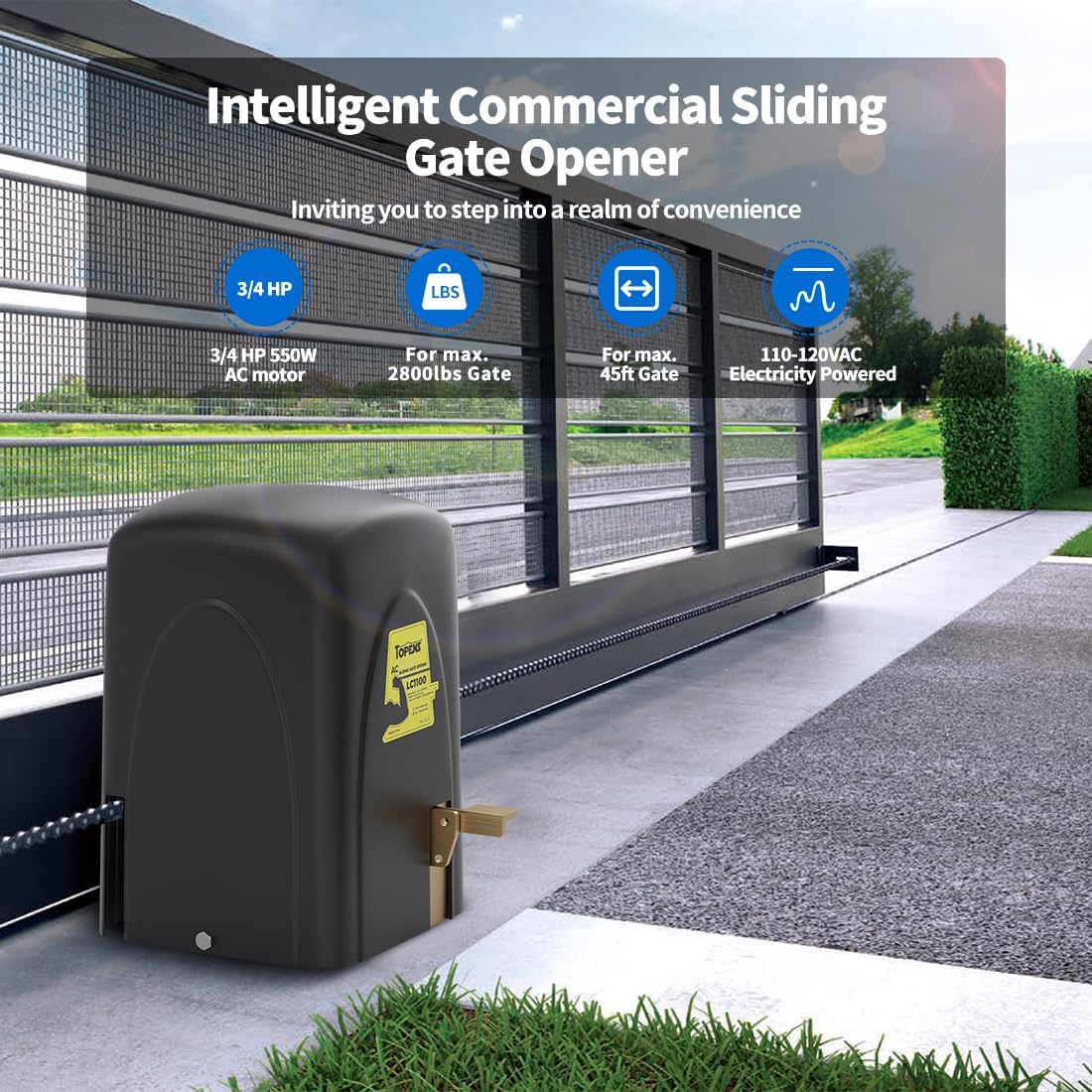
- In consistently windy areas, solid panel swing gates are not ideal. A sliding gate system performs better under such conditions.
2. Wind Assisting Gate Movement and Causing Unexpected Stops
If wind pushes the gate in the same direction it is traveling, the motor may draw less current than expected. When the current drops below the detection threshold, it may trigger the gate opener’s safety protection system and causing the gate to stop unexpectedly.
If the gate stops abnormally:
1) Inspect All Brackets and Bolts
- Ensure all mounting brackets, screws, and bolts are firmly secured.
- Check for looseness, deformation, or wear at all connection points.
2) Apply Opposing Force Manually
- Gently resist the gate as it moves to simulate a normal load.
- If the gate completes its full travel when you apply resistance, proceed to Step 3.
3) Perform an Electrical Load Adjustment
- If installation is confirmed to be solid but the gate still stops abnormally during opening and closing, consider adding a resistor across the motor terminals to stabilize the electrical load.
- If the issue occurs only in one direction (the gate stops while opening or while closing), add a diode along with the resistor so that the resistor affects only the correct polarity.
Important Note:
The resistor has no polarity, but the diode does. Therefore, the diode’s orientation will vary depending on the gate opener’s installation mode (Pull-to-Open / Push-to-Open) and the direction in which the gate stops. Reversing the diode will cause the system to malfunction.
Follow Figure A when:
- The opener is Pull-to-Open and the gate stops only while opening, or
- The opener is Push-to-Open and the gate stops only while closing.

Follow Figure B when:
- The opener is Pull-to-Open and the gate stops only while closing, or
- The opener is Push-to-Open and the gate stops only while opening.

3. Wind Pushing or Shaking the Gate When Fully Closed
Strong wind may cause a closed gate to rattle or move slightly, depending on hinge play or gate panel flexibility.
If the gate moves while fully closed:
1) Verify Bracket and Hinge Stability
- Ensure that all mounting brackets and bolts are tightly secured.
- Inspect hinges for looseness, play, or excessive flex.
2) Observe the Opener Arm (Moving-Rod) During Wind
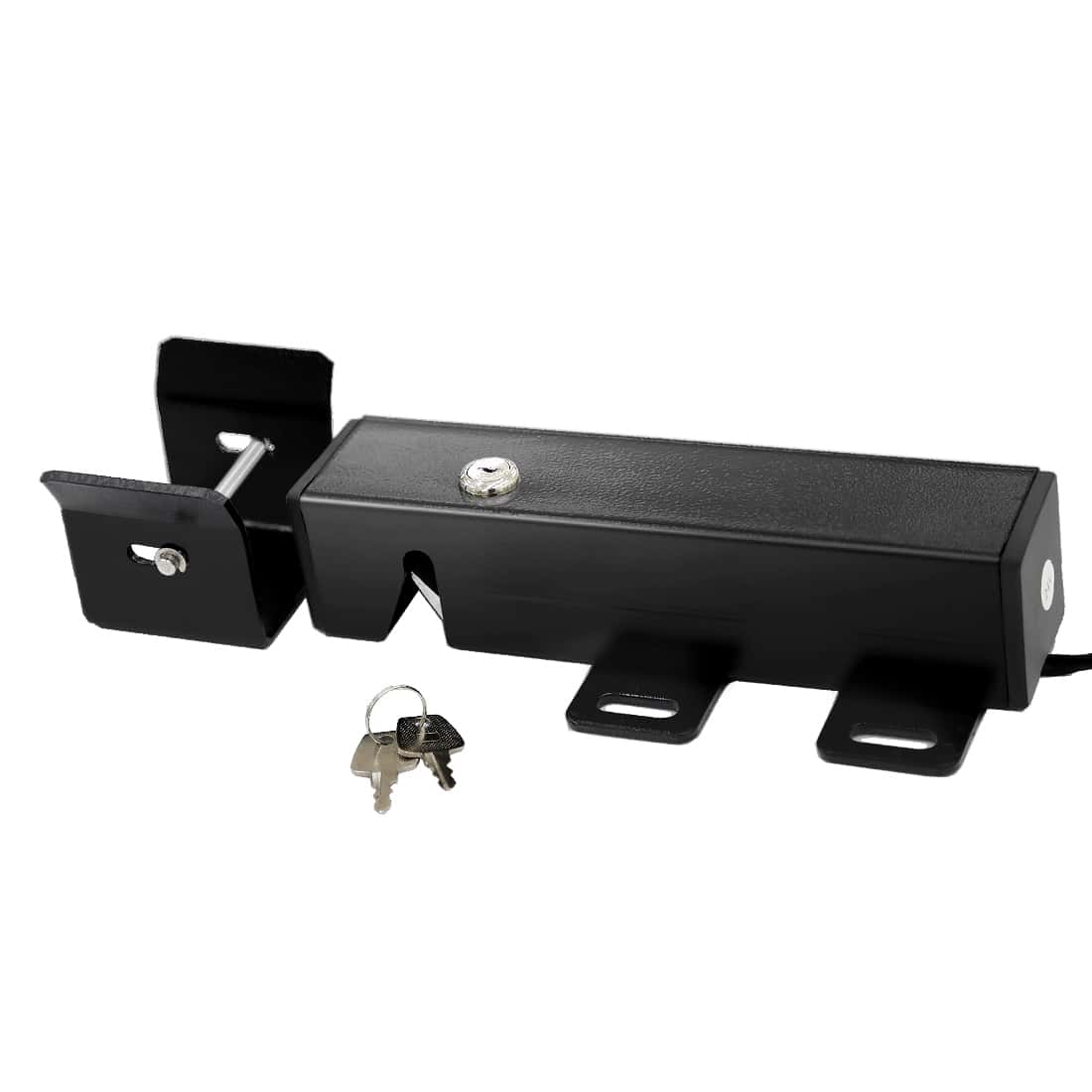
- If the gate moves but the moving-rod does not extend or retract, the movement is caused by the gate flex or hinge play. In such cases, install an electric lock to keep the gate firmly latched.
- If the moving-rod does move during wind:
a. Disconnect the opener arm from the gate.
b. Engage the clutch.
c. Manually test the moving-rod for extension and retraction.
d. If the moving-rod moves on its own, contact TOPENS Technical Support (support@topens.com) for further assistance.
With proper adjustment and regular inspection, most wind-related problems can be significantly reduced or completely resolved.
If wind conditions in your area are severe or persistent, or if troubleshooting does not resolve the behavior, please contact TOPENS Technical Support. We are here to help ensure safe, reliable, and long-lasting operation of your swing gate system.